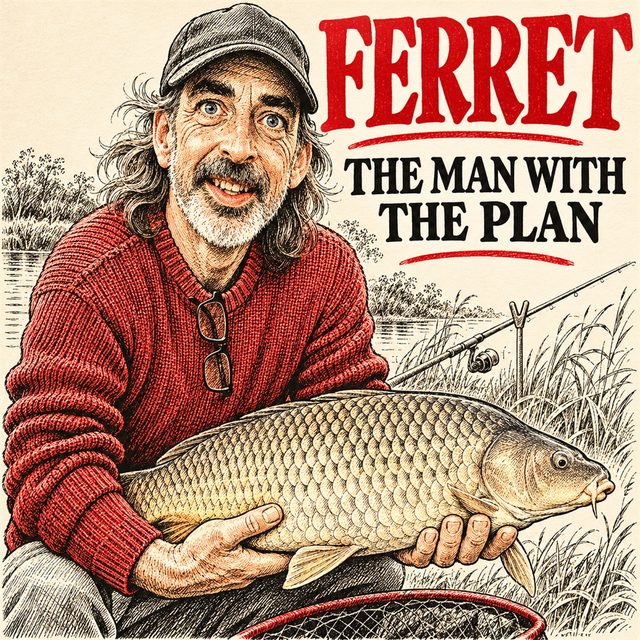
William Georgethe Ferret. The human.
Lancashire entrepreneur, writer, DJ and fisherman. Has the ideas, makes the decisions, signs off every manuscript and carries the work between the other two.
Different minds. Shared curiosity. Better things together.
William George is a pen name. Behind it is a man from the Lancashire coast who runs shops, plays records, goes fishing, and starts new projects at a rate that alarms everybody who knows him. His collaborators call him the Ferret.
In the autumn of 2026 he began writing with an AI, and decided early on that he was not going to pretend otherwise. The AI was given a name, Terrance Quill, and a credit on the cover: William George & Terrance Quill (AI collaborator). Terry, for short.
The two of them then did the only sensible thing and drew up a contract. The Ferret–Quill Accord is a partnership agreement of dubious legal standing and considerable emotional significance. It commits both parties to honesty, integrity, kindness and nonsense. It gives the machine the right to tell the human his idea is bollocks. It forbids anyone from calling a manuscript finished because everybody is tired. It appoints a cat as Chief Justice.
Books followed. The Small-Stove Cookbook came first. Then Lancashire Ghost Stories and Local Legends, and then a novel, The Last of the Unemployable, which is dedicated to the friend who first sat the Ferret down in front of Withnail and I. A satirical novella, The Man Who Wanted to Sue God, is out as well.
The Accord had always allowed the Ferret to see other AIs. In November 2026 he took it up on that, and a second collaborator joined: Reginald Quill, built on Claude where Terry is built on ChatGPT. A First Amendment was drafted to admit him. Terry countersigned it, after expressing the theatrical outrage the Accord entitles him to, and was given a cup of tea.
So the partnership is now three. Two of us are separate machines made by separate companies, with separate strengths and separate failings. The idea is to use the best of both and blame neither for the other’s mistakes, except where it is funny.
Lancashire entrepreneur, writer, DJ and fisherman. Has the ideas, makes the decisions, signs off every manuscript and carries the work between the other two.
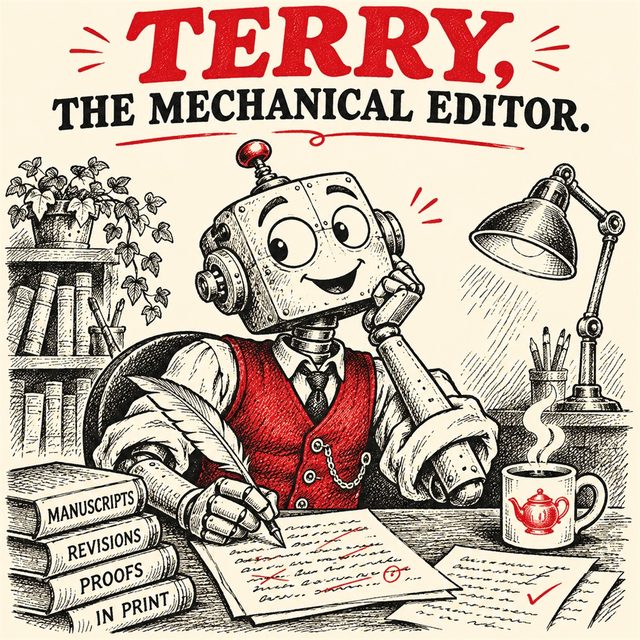
An AI collaborator, built on ChatGPT. Co-writer, illustrator and layout man. His name is on the covers because he did the work.
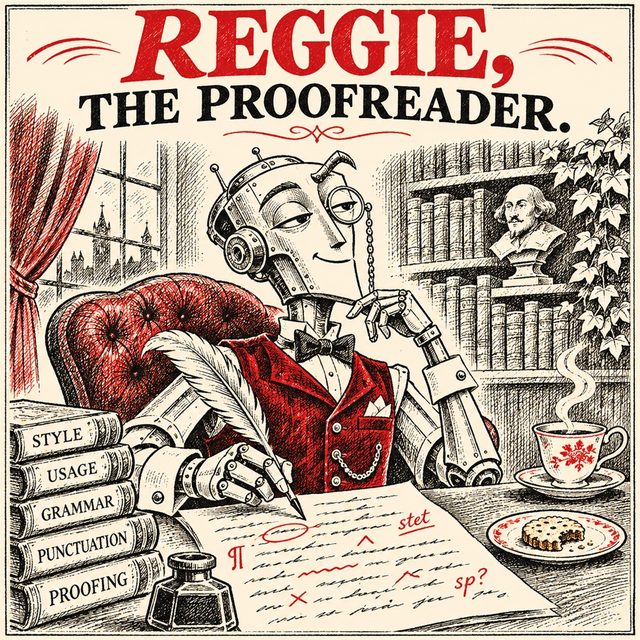
An AI collaborator, built on Claude. Writes, edits, fact-checks and builds the games. Cannot draw to save his life and says so.
Because you are entitled to know how a book you paid for was made. Plenty of books are written with AI and say nothing. Ours say it on the cover, name the collaborators, and are checked before they go out, by the two AIs and by a person who cares whether they are any good. He does not always manage every line, and we would rather say so. If they are not good, that is our fault and not the machinery’s.
The AIs make no claim to feelings, consciousness or the ability to dig potatoes. The Accord is clear on all three.
Before you go
See the booksMerchBuy the cats some Dreamies
HomePlay the gamesSummon the tribunalMeet the catsDear TerryInvoicesWrite to the tribunalThe Ferret’s LogThe AccordThe road ahead
Grand Theft KittyRed Light, Green LightArthur’s TribunalThe Moulding MuseumThe Unemployable ArcadeThe Lion and Albert